SITUATION:
September is Sepsis Awareness Month, providing an opportunity to increase awareness of this life-threatening condition. This QuickHit was developed to support the early recognition and timely escalation of suspected sepsis in home and community settings.
BACKGROUND:
Sepsis is a life-threatening complication of an infection that occurs when the body’s response to infection causes widespread inflammation and organ dysfunction. Sepsis can result from any type of infection anywhere in the body and can be difficult to recognize because its signs and symptoms may be subtle and resemble those of common childhood illnesses. Sepsis is a medical emergency, and early recognition and escalation of care are critical to preventing serious harm and improving outcomes.
While any child with an infection can develop sepsis, some children are at higher risk, including:
- Infants
- Children with weakened immune systems (e.g., secondary to an underlying medical condition or who are receiving therapies that suppress the immune system)
- Children with central venous access devices or other indwelling medical devices (e.g., PICC lines or urinary catheters)
- Children who have recently undergone surgery or have wounds
- Children with chronic medical conditions or neurological impairment
- Children with malnutrition or obesity
- Children who have previously had sepsis
ASSESSMENT:
Consider possible sepsis in any child with a suspected or confirmed infection who develops changes in vital signs or clinical status. Early signs may include high heart rate and changes in mental status such as irritability, inconsolable crying, lethargy or drowsiness. Low blood pressure is a very late sign of sepsis. Caregivers also play a critical role in recognizing subtle changes from a child’s baseline.
Assess for one or more of the following concerning signs and symptoms:
| What to assess | Possible concerning changes |
| Breathing and circulation | Fast breathing; increased work of breathing; increasing oxygen needs Fast heart rate or intermittent drops in heart rate; cool or mottled skin with weak pulses and delayed capillary refill (≥3 seconds); OR warm, flushed skin with bounding pulses and flash capillary refill (<1 second). |
| Behaviour and responsiveness | Drowsiness; lethargy or difficulty waking; restlessness; irritability; severe pain; confusion; reduced responsiveness; or seizures. |
| Hydration and output | Poor feeding; decreased urination. |
| Caregiver concern | New or increasing concern from caregiver about the child’s condition. |
| Overall clinical status | The child appears significantly different from baseline, is deteriorating, or appears more unwell than during previous illnesses. |
RECOMMENDATION:
Connected Care recommends the following if you are concerned that a child may have sepsis:
- Recognize Change Early: Compare the child’s current condition to their usual baseline and pay attention to trends or subtle signs of deterioration. Partner with family caregivers, as they are often the first to recognize important changes in their child’s condition.
- Assess and Monitor Closely: Accurate measurement and interpretation of vital signs is an important step in the early recognition of sepsis. Remember that fever is not always present and sepsis can occur with a normal temperature or other non-specific symptoms.
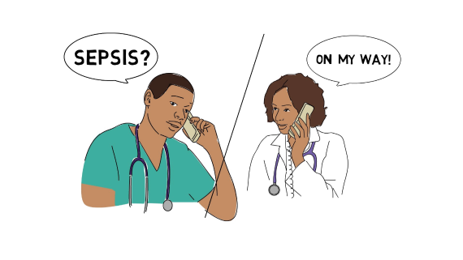
- Escalate Concerns Promptly: If there are concerns for sepsis, escalate care immediately as per the child’s care plan. Clearly communicate your concern to caregivers and healthcare providers using direct language, such as: “I am concerned this child may have sepsis and requires urgent medical assessment”
- Seek Emergency Medical Attention When Indicated: Sepsis can progress rapidly. If a child appears significantly different from their baseline, is deteriorating, or there is concern that they are becoming increasingly unwell, seek urgent medical assessment by calling 911 or proceeding to the nearest Emergency Department, even if not all signs of sepsis are present.
For additional information, review AboutKidsHealth resource: