SITUATION:
This QuickHit was informed by the G-tube Team at SickKids to highlight the importance of clear identification and documentation of enteral tubes to help prevent safety events and potential harm.
BACKGROUND:
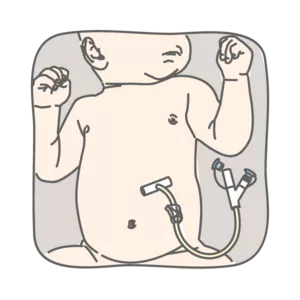
Many children with medical complexity rely on enteral feeding tubes to support nutrition and/or medication administration. With many different enteral tubes available for children, it is important to identify which type of tube the child has and the type of care associated with the tube.
Enteral tube names are based on where in the body they are inserted and where they provide access to [e.g. the stomach or the small intestine (jejunum)].
ASSESSMENT:
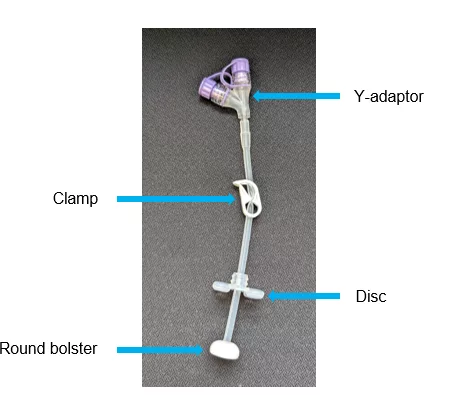
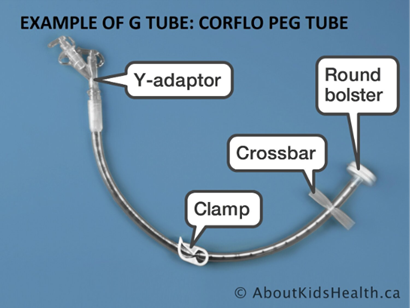
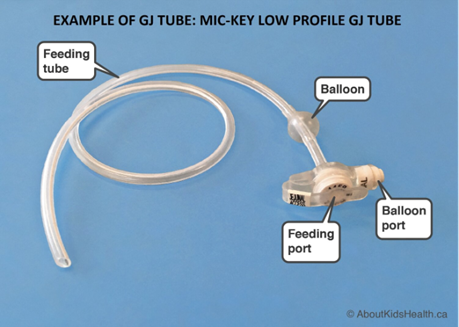
Types of Enteral Feeding Tubes
The photos below are examples of common brands of each type of tube. There are many additional brands not shown here.
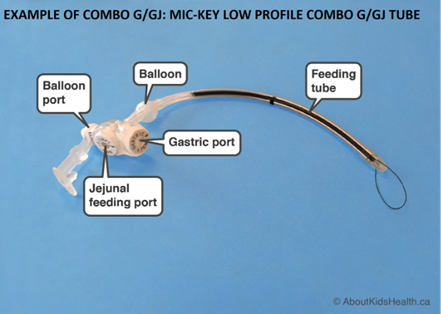
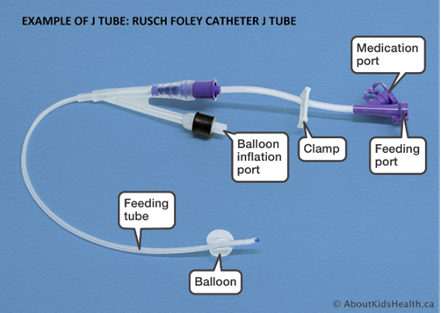
What information is important to know about a child’s enteral tube
- Type of tube (including brand name)
- French (Fr) size
- Who put the tube in (e.g. Image Guided Therapy or General Surgery)
- When it was inserted (e.g. initial creation of the stoma and tract)?
RECOMMENDATION:
Connected Care recommends the following when identifying the type of enteral feeding tube:
- Partner with the child’s family caregiver to clarify and confirm the type of tube the child has.
- Determine where the tube type is documented and update it accordingly. If there is a discrepancy or you are unsure, do NOT use the tube until verified.
- If you are unsure about a child’s tube type, consider the following:
- Ask the child’s family caregiver
- Refer to the resources on the Tube Feeding Learning Hub
- Contact the child’s G tube Specialist
- Consult Connected Care Live to speak with a member of the Connected Care Team