SITUATION:
This QuickHit was informed by Wound and Ostomy Nurses at SickKids who identified a knowledge gap about a new wound care device being used both in hospital and home and community care.
BACKGROUND:
Wounds are common in the paediatric population and they are typically due to accidental injury, or surgical/medical interventions. Most wounds in children are minor and heal easily. For some wounds, healing is a complex and dynamic process that may require extended periods of wound management using specialized knowledge, materials and supplies.
Care plans for complex wound healing are individualized for each child but applying the principles of wound healing are consistent for all types of wounds.
Negative Pressure Wound Therapy (NPWT) is designed for low to moderately draining wounds (less than 300ml in 7 days). An example of this type of therapy is the PICO system, which has been introduced to paediatric home and community care. It promotes wound healing by:
- removing excess fluid from the wound
- protecting the wound from dirt and bacteria
- increasing blood flow to the wound
- drawing wound edges closer together to decrease the wound size
The PICO system:
- is single use, battery operated and portable, and provides therapy up to 7 days
- is easily applied and removed to minimize pain and damage to the periwound skin
- reduces the risk of pressure points and supports patient comfort while its present
The length of therapy is child specific and typically depends on the size and type of wound, the child’s overall health, and the type of treatment prescribed.
ASSESSMENT:
When to assess a wound?
The wound and dressing is typically assessed every 24 hours. In addition, a wound is assessed:
- at initial presentation
- during dressing changes
- at the recommendation of the child’s clinical team
How to assess a wound?
Measure:
- the length, width, and depth of the wound at least once a week
- the wound size to ensure it is becoming smaller each week
Observe:
- that the wound edges are free of redness, maceration, and the periwound skin is intact and well defined
- that the wound bed is pink, moist, and healthy tissue is progressing weekly
- if signs of infection are present, such as exudate that is purulent, bloody, brown, green, or foul smelling

Visualize that the dressing has a wrinkled appearance, indicating the suction is intact. Monitor for increased shadowing under the dressing as there may be fluid collection or another complication.

Confirm the dressing is firm to the touch, with the edges intact.

A pulling sensation is typical when the therapy is initiated. Slight discomfort may accompany dressing changes, but should not be painful.
RECOMMENDATION:
Connected Care recommends partnering with the child’s family caregivers and clinical team to ensure optimal wound healing.
When using the PICO system:
- The dressing can remain in place for up to 7 days, depending on the drainage produced by the wound
- The dressing is water resistant but is not to recommended to be submerged or in direct contact with water
- The PICO pump is splash proof and can be disconnected from the dressing to allow the child to take a shower
Troubleshooting the PICO system
Ensure the pump is connected and providing the required vacuum seal. A green flashing light will be present when working correctly.
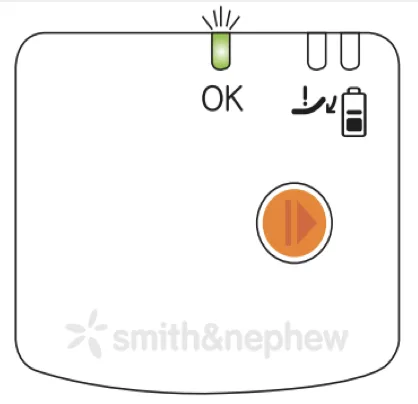
If an air leak is detected, a flashing orange light will appear. To limit the air leak, smooth out edges of the dressing and push the orange button to restart the therapy. If the air leak is fixed, the green light will continue to flash.
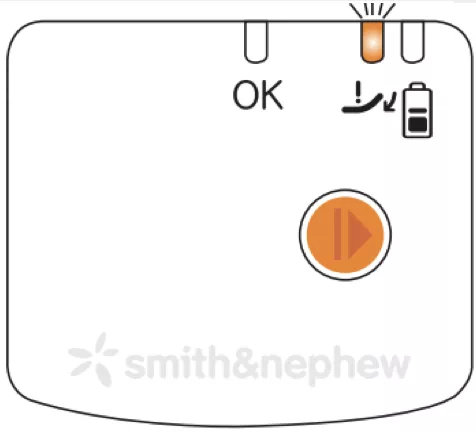
Monitor the need to change the batteries. The pump will notify with an orange flashing light above the battery icon when there is less than 24 hours
To change the batteries, pause the pump with the orange button. Remove the battery cover at the top of the unit, replace the batteries with two AA batteries, replace the cover, and push the orange button to continue.
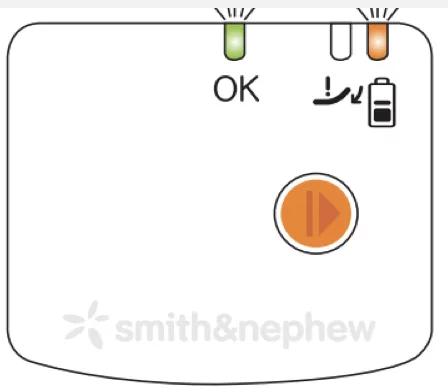
Above images and more information on PICO pump troubleshooting can be found here.
Seek out the child’s health care team or immediate medical attention if:
- the child is unwell, and/or develops a fever, b3ecomes lethargic, is experiencing pain, or you/family caregiver is concerned in any way
- the wound has a foul smell or there is a concerning change in colour, volume, or consistency of drainage
- the dressing appears loose or soiled and you are unsure of how to change the dressing
- the alarms or other issues with the pump cannot be resolved